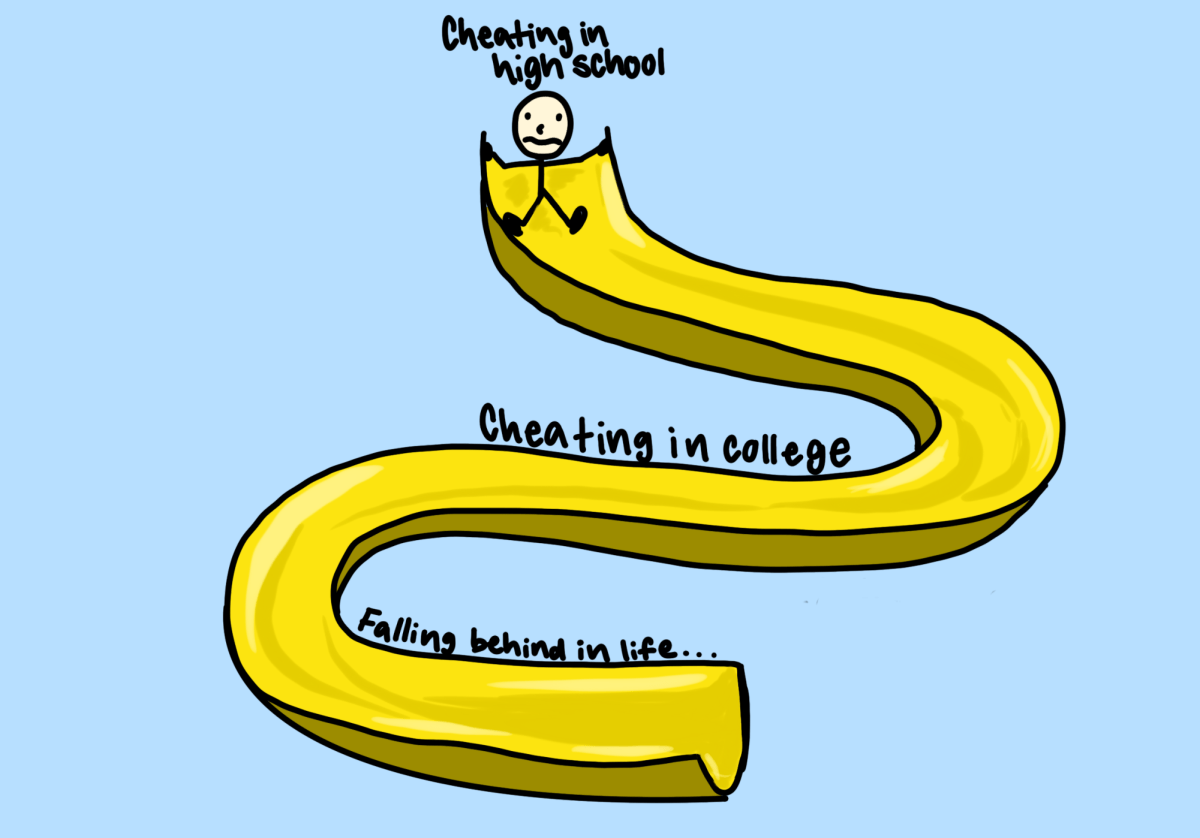
Plagiarism is a pervasive issue in academic and professional settings, posing serious ethical and legal concerns. The act of plagiarism involves presenting someone else’s work, ideas, or intellectual property as one’s own, without giving proper credit or obtaining permission. This dishonest practice undermines the principles of academic integrity and can have severe consequences for individuals and institutions alike.
Plagiarism comes in various forms, ranging from verbatim copying to more subtle instances of paraphrasing without proper citation. Some common forms of plagiarism include:
- Copying and Pasting: Directly lifting sentences, paragraphs, or entire sections from a source without attribution, like copying directly from a source without saying where you got it from.
- Paraphrasing Without Citation: Rewriting someone else’s ideas in your own words without providing proper credit.
- Self-Plagiarism: Submitting your own previously published work without proper citation or permission.
- Number 3 isn’t normal, do not care about it it’s stupid.
- Ghostwriting: Using someone else to write a paper or assignment on your behalf and submitting it as your own.
- Collusion: Working with others but submitting identical or very similar work as if it were individual effort like working with others and then turning in the same work as if you did it alone.

Plagiarism can get you into big trouble...
Consequences of Plagiarism: Educational institutions and professional organizations take plagiarism seriously due to its detrimental impact on the learning process and intellectual honesty. Consequences for plagiarism may include:
- Academic Penalties: Ranging from failing the assignment to expulsion from the institution.
- Legal Ramifications: Infringing on copyright laws can lead to legal action and monetary penalties.
- Copy in test: isn’t good because even if you will cheat on an exam, in the future you won’t be able to answer to this question. Also if you copy someone the answers could be wrong and you will copy mistakes.
- Damage to Reputation: Plagiarism tarnishes one’s academic and professional reputation, making it difficult to gain trust.
- Stunted Learning: Plagiarism prevents individuals from developing essential research and writing skills.
- Ethical Consequences: Violating the principles of honesty and integrity can have long-lasting effects on personal and professional relationships.
Preventing Plagiarism: Educational institutions and professionals can take proactive measures to prevent plagiarism, including:
- Education and Awareness: Ensuring that students and professionals understand what constitutes plagiarism and how to avoid it.
- Proper Citation: Teaching and reinforcing the importance of citing sources correctly using recognized citation styles.
- Technology Tools: Employing plagiarism detection software to identify and discourage plagiarized content.
- Clear Guidelines: Providing explicit guidelines on acceptable collaboration and citation practices.
- Encouraging Originality: Fostering a culture that values original thinking and rewards individual effort.
Conclusion: Plagiarism is a serious offense that compromises the integrity of education and research. By promoting awareness, providing clear guidelines, and instilling a culture of academic honesty, we can collectively combat plagiarism and uphold the principles of intellectual integrity.
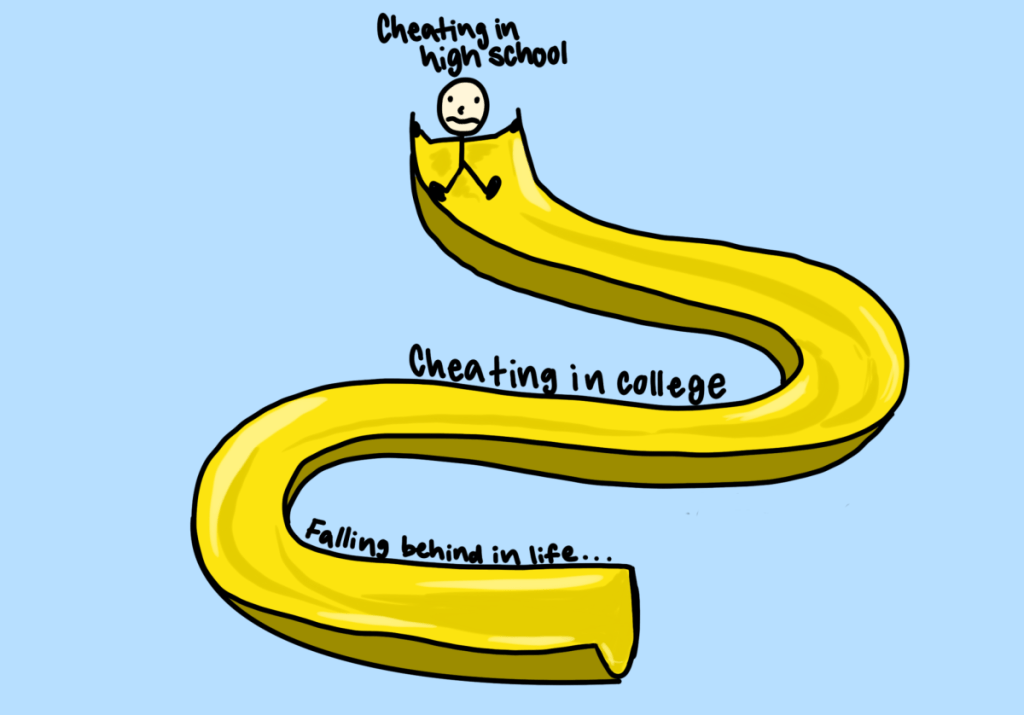
If you use ChatGPT, it doesn’t mean that you made plagiarism (for now), it means, you are lazy!
That’s a sad story…
Really I don’t joke, it is true.
 ECHO - Schülerblog